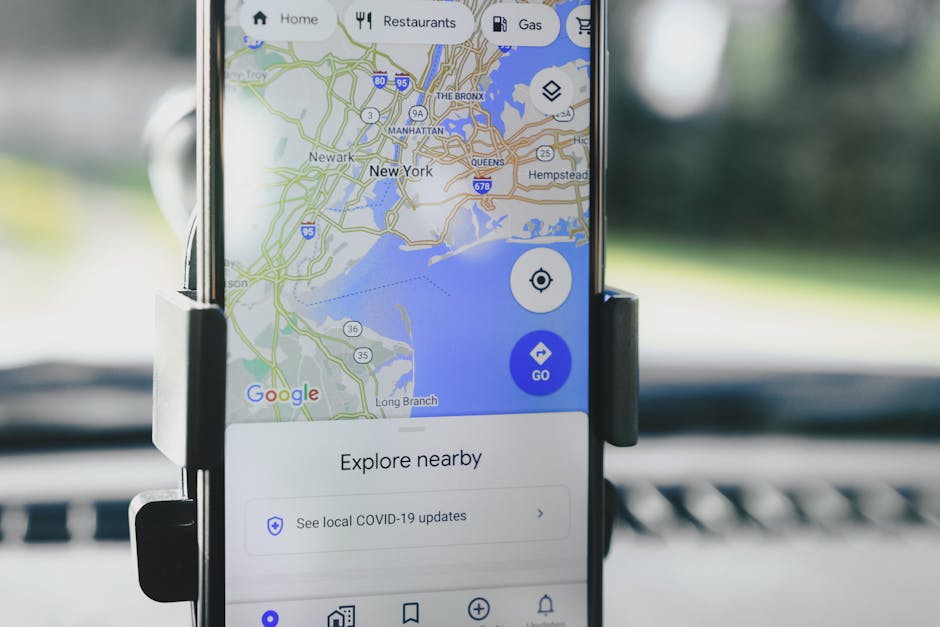

When someone searches "plumber near me" or "cafe Wollongong", Google shows a map with three businesses before anything else. Those three positions, the Map Pack, take the majority of the clicks and calls for local searches. Ranking there is not luck and it is not paid; it comes down to how well your Google Business Profile is built and maintained. Here is the work that actually matters, in order of impact.
1. Get your categories right (the biggest single factor)
Your primary category is the strongest signal you control. It should be the most specific match for what earns you the most money, "Emergency plumber" beats "Plumber" if that is your bread and butter, because Google matches categories against search intent.
- Set one precise primary category, not a vague one.
- Add every legitimate secondary category, most businesses qualify for 3 to 6 and use only one.
- Check what categories the current top three in your area use. Google's own results are telling you what works.
2. Reviews: quantity, recency, and replies
Reviews are the second-biggest lever, and the pattern matters more than the raw number. Ten reviews in the last two months beats a hundred reviews from 2022.
- Ask every happy customer, at the moment the job finishes, that is when yes rates are highest. Send the direct review link by SMS; make it a two-tap job.
- Keywords in reviews help. You cannot script customers, but you can prompt: "It would help us if you mentioned the service and suburb." A review saying "great hot water system install in Dapto" is local SEO gold.
- Reply to every review, good and bad, within a few days. Replies signal an active business and your replies can naturally include services and suburbs too.
3. NAP consistency: boring but non-negotiable
NAP = Name, Address, Phone. Google cross-references your details across the web, your website, Facebook, directories like Yellow Pages, TrueLocal and Localsearch. Every mismatch ("St" vs "Street", an old phone number on a forgotten listing) erodes trust in your data.
- Pick one exact format for your name, address and phone number and use it everywhere.
- Fix or remove old listings, duplicates from a previous address are ranking poison.
- Make sure your website footer shows the same details, marked up with LocalBusiness schema if possible.
4. Photos: the trust signal most businesses ignore
Profiles with regular, real photos get dramatically more requests for directions and calls. Google also reads image metadata and content.
- Upload real photos of jobs, your team, your vehicle, your premises, not stock images. Users can tell, and so can Google.
- Add a few new photos every month. A profile last updated in 2023 looks abandoned.
- Geotagged photos taken on-site in the suburbs you serve reinforce your service area.
5. Google Posts: small effort, steady signal
Posts (updates, offers, completed jobs) appear on your profile and show Google the business is active. One or two a week is plenty. Post a finished job with a photo and the suburb: "Switchboard upgrade completed in Figtree this week." Over months, this builds a body of location- and service-rich content attached directly to your profile.
6. Your website still matters
The Map Pack is not ranked on your profile alone, Google blends in your website's authority. A profile linked to a fast site with dedicated pages for each service and suburb consistently outranks a profile linked to a one-page site. This is why local web design and Maps optimisation work best together: the profile wins the click, the website convinces Google you deserve the position. If you serve multiple areas, pages like my Shellharbour and Kiama pages show the structure that works.
What to do this week
- Audit your primary category against the current top three.
- Add every secondary category you legitimately qualify for.
- Text your last five happy customers a direct review link.
- Upload ten real photos.
- Publish one Google Post about a recent job, naming the suburb.
- Check your name, address and phone match exactly on your website, Facebook and the major directories.
Do that consistently for 90 days and you will usually see movement, Maps rewards sustained activity, not one-off bursts.
Want it done for you?
Profile optimisation, review systems and the website work behind it is exactly what my Map My Biz service covers. Call Mark on 0416 910 023 or book a free strategy call and I will tell you honestly whether your profile needs work, and what it would take to crack the top three in your area.
If you want a clearer starting point, run the free Google Maps rank checker before working through the steps above.